
Best Time to Visit Teotihuacan
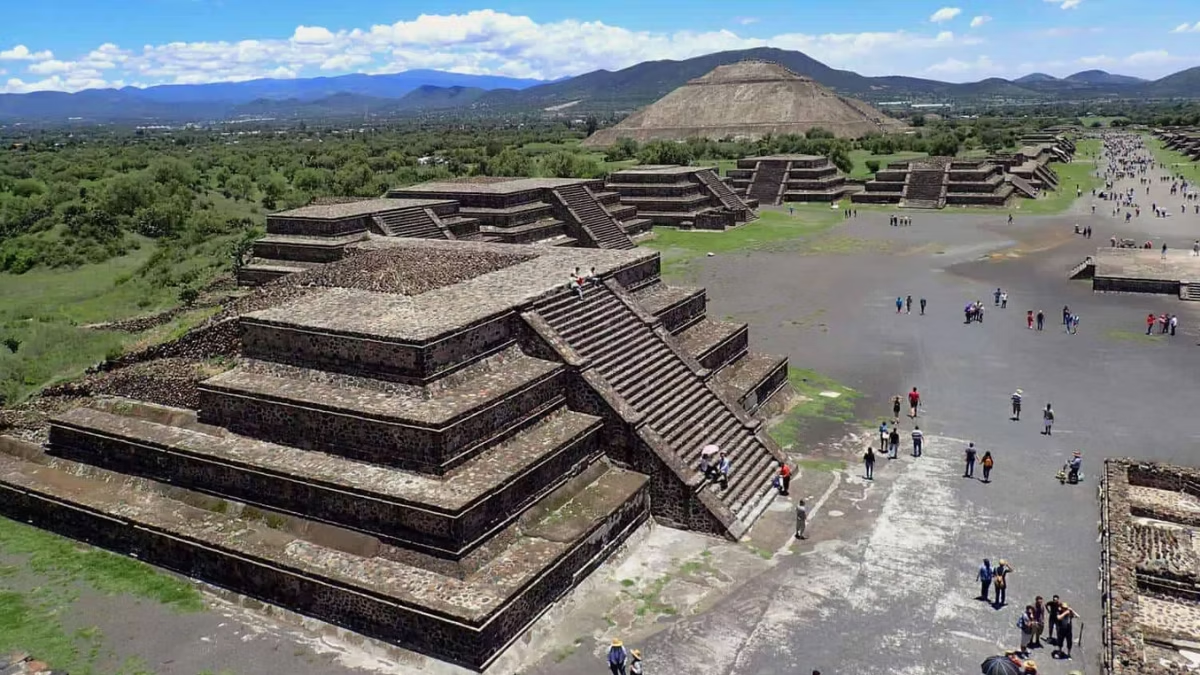
The best time to visit Teotihuacan is between October and March — Mexico’s dry season. Skies are clear, temperatures are comfortable (15–25°C / 59–77°F), and crowd levels are manageable outside of the Christmas and Semana Santa holiday windows. Within any day, arriving at the 8:00 AM opening is always the best strategy regardless of season — the first 90 minutes deliver cooler temperatures, better light, and a fraction of the midday crowd. Avoid Saturdays, Semana Santa (Easter week), and December 12 if crowds are a concern.
Teotihuacan is open every day of the year, and there is no truly bad time to visit — but the difference between an ideal weekday morning in November and a packed Saturday afternoon in April is significant enough to be worth planning around. Weather, crowd levels, and daylight all vary meaningfully across the calendar, and a few simple choices can transform the experience.
This guide breaks down every season, month, and day of the week so you can choose the timing that works best for your trip.
Best Time to Visit: Quick Summary
| Period | Weather | Crowds | Verdict |
|---|---|---|---|
| October–November | Dry, 18–25°C | Low–Moderate | Excellent |
| December–February | Dry, 12–22°C | Low (except holidays) | Very good |
| March–April | Dry but warming, 20–28°C | Moderate–High (Semana Santa) | Good, avoid Easter week |
| May | Hot and dry, 22–30°C | Moderate | Manageable with early start |
| June–September | Rainy season, 18–24°C | Low on weekdays | Good for independent visitors |
Season by Season
October to November — The Sweet Spot
October – November are consistently the best months to visit Teotihuacan. The rainy season ends in late September, leaving clear skies, comfortable daytime temperatures of 18–25°C, and lower crowd levels than the Christmas and Semana Santa peaks. Days are long enough for a full visit without extreme heat.
October and November are the months when Teotihuacan most rewards the visitor. The post-rainy season air is clear and the landscape around the pyramids is unusually green — a contrast to the drier, dustier appearance of the late dry season months. Temperatures are ideal for walking the Avenue of the Dead and climbing to the upper levels of the pyramids without heat exhaustion.
Day of the Dead (Día de los Muertos) falls on November 1–2 and can be combined with a Teotihuacan visit for an extraordinary cultural experience. The site itself does not hold major Día de los Muertos ceremonies, but Mexico City’s celebrations during this period are unmissable and the wider atmosphere across the region is memorable.
December to February — Dry and Quiet
The heart of the dry season. Clear skies are near-guaranteed, and cooler temperatures of 12–22°C make the physical demands of the site — extensive walking, stair climbing, and prolonged sun exposure at 2,300 metres altitude — more manageable than at other times of year.
December 12 is the Feast of Our Lady of Guadalupe — one of the largest Catholic pilgrimage events in the world. Tourist traffic across the entire region increases significantly around this date. If visiting Teotihuacan at this time, book in advance and arrive at the 8:00 AM opening.
Christmas week (December 23–January 1) sees higher-than-usual visitor numbers as Mexican families take school holidays. Weekday visits during this window are manageable; weekend visits should be combined with an early start and an advance skip-the-line ticket.
January and February are among the quietest months of the year at Teotihuacan — excellent for visitors who prioritise space and atmosphere over warmth.
March to April — Watch for Semana Santa
Semana Santa is the peak domestic holiday period in Mexico and Teotihuacan is one of the most popular family destinations. Expect large crowds, longer gate queues, and busy pyramid platforms throughout the day. If visiting during Semana Santa, booking an early access tour and securing tickets well in advance are essential.
March brings rising temperatures (22–28°C by late in the month) and very low rainfall — good conditions overall. The main risk is Semana Santa (Holy Week), which falls in late March or April depending on the year and represents the single busiest week at Teotihuacan in the entire calendar.
Outside of Semana Santa, March and April are perfectly good months to visit — particularly on weekdays with an early morning start.
May — Hot but Manageable
May is one of the hottest months at Teotihuacan, with afternoon temperatures regularly reaching 28–30°C on the open site. There is almost no shade across the archaeological zone, and UV intensity at 2,300 metres above sea level is significant even on days when it does not feel extremely hot.
Visiting in May is entirely feasible with the right preparation. Arriving at the 8:00 AM opening to cover the main structures before 11:00 AM, when temperatures peak, is the key strategy. Carry at least 2 litres of water per person, wear a wide-brimmed hat, and apply high-SPF sunscreen before leaving. Full guidance in our what to wear and bring guide.
June to September — Rainy Season
The rainy season brings afternoon showers to the Teotihuacan Valley, typically arriving between 2:00 and 5:00 PM. Mornings are usually clear and ideal for visiting — clouds build through the late morning and the rain arrives in the afternoon.
This is a genuinely good time for flexible visitors. Arriving at 8:00 AM, completing the main visit by 1:00 PM, and leaving before the rain is a reliable and consistently successful strategy. Weekday crowd levels during the rainy season are among the lowest of the year.
The landscape is at its most vivid green during the rainy season, and the cloud formations building around the Pyramid of the Sun in the mid-morning create dramatic photographic conditions that simply do not exist at other times of year.
Bring a packable rain jacket or poncho if visiting between June and September. Full guidance in our what to wear and bring guide.
Best Day of the Week to Visit
Tuesday, Wednesday, and Thursday are consistently the least crowded days. Saturday is the busiest day of the week. Sunday is free for Mexican nationals and foreign residents, which brings higher domestic visitor numbers — but still manageable if you arrive at opening.
Tuesday–Thursday: Lowest crowd levels of the week. The best choice for visitors who prioritise space and atmosphere over schedule flexibility.
Friday: Slightly busier than mid-week but still considerably quieter than the weekend.
Saturday: The busiest day of the week, particularly in peak season. If Saturday is the only option, the early access tour and advance booking are strongly recommended.
Sunday: Free entry for Mexican nationals and foreign residents increases domestic visitor numbers. Many organised tour groups do not run on Sundays, so the visitor mix shifts. An 8:00 AM arrival on Sunday still delivers a good experience.
Best Time of Day
Regardless of season or day of the week, the most impactful timing decision is arrival time. The first 90 minutes after the 8:00 AM opening are consistently the best of the day — cooler temperatures, better photographic light, and a fraction of the midday crowd.
Most organised tour groups from Mexico City arrive between 9:30 and 10:30 AM. Arriving at opening means you have the pyramids at their most atmospheric before the bulk of the day’s visitors set foot on the Avenue of the Dead.
For a sunrise arrival before the gates officially open — one of the most extraordinary ways to experience the site — see our dedicated Teotihuacan Pyramids sunrise guide.
What to Avoid
Semana Santa (Holy Week): The most crowded week of the year. If unavoidable, book everything well in advance and use an early access tour.
Saturday afternoons in peak season: The worst combination — maximum crowds and maximum heat. An 8:00 AM arrival transforms even a peak Saturday visit.
December 12: The Feast of Our Lady of Guadalupe significantly increases regional tourism traffic.
Mexican national holidays: Key dates that drive higher domestic visitor numbers — November 20 (Revolution Day), February 5 (Constitution Day), March 21 (Benito Juárez Day), May 1 (Labour Day), and September 16 (Independence Day).
Frequently Asked Questions
Is Teotihuacan open all year round?
Yes. The site is open every day from 8:00 AM to 5:00 PM, including all public holidays. Closures are extremely rare and announced in advance. For full hours and access information, see our Teotihuacan Pyramids opening hours guide.
Does it rain at Teotihuacan?
Yes — the rainy season runs from June through September, with afternoon showers typically arriving between 2:00 and 5:00 PM. Mornings are usually clear throughout this period. Outside the rainy season, rainfall is rare.
Is it too hot to visit Teotihuacan in summer?
May is the hottest and driest month — afternoon temperatures can reach 30°C on the open site. With an early start, adequate water, and sun protection, summer visits are entirely manageable. The rainy season (June–September) actually moderates temperatures compared to May.
What is the weather like at Teotihuacan in December?
Dry and clear, with daytime temperatures of 12–20°C. Early mornings are cool — a light jacket is useful for early starts. December is one of the most physically comfortable months for a site visit, though Christmas school holidays bring higher weekend crowds.
What month has the fewest tourists at Teotihuacan?
January and February typically have the lowest visitor numbers. Mid-week visits in either month can be strikingly quiet by the standards of one of Mexico’s most visited sites.
Is the rainy season a bad time to visit?
No — it is underrated. Mornings are clear, weekday crowds are minimal, and the landscape is at its most vivid. Plan to finish your visit by early afternoon and bring a packable rain jacket.
