
What to Wear & What to Bring to Teotihuacan
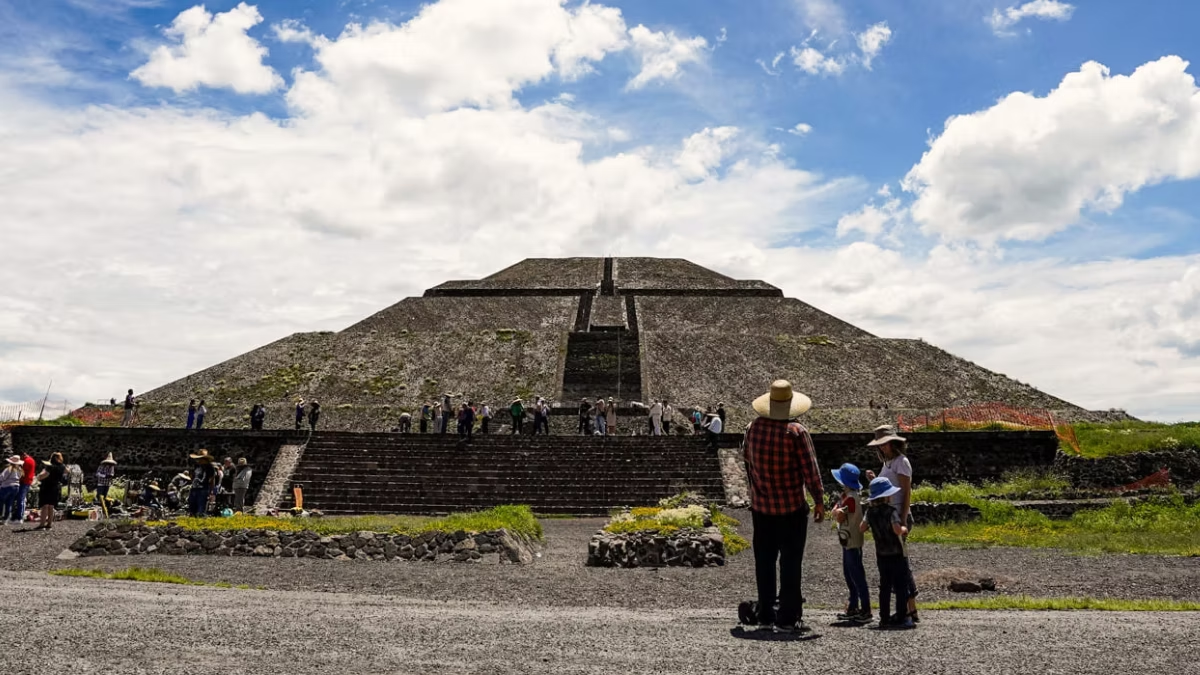
The essentials for Teotihuacan are: comfortable closed-toe walking shoes, high-SPF sunscreen, a wide-brimmed hat, sunglasses, and at least 1.5 litres of water per person. The site has almost no shade, sits at 2,300 metres above sea level, and involves 4–7 km of walking on uneven ancient stone. Flip-flops and sandals are genuinely unsuitable. A light jacket is useful for early morning visits and for the rainy season (June–September).
Teotihuacan is an outdoor archaeological site with almost no shade, intense sun at altitude, extensive uneven terrain, and significant walking distances. The difference between visiting well-prepared and underprepared is the difference between a comfortable, memorable experience and an exhausting, sunburned one.
This guide covers everything you need to pack — and a few things you should leave behind.
Footwear — The Most Important Item
Wear comfortable, closed-toe walking shoes or trainers with good grip. You will walk 4–7 km over uneven ancient stone surfaces, climb steep pyramid stairs, and navigate raised platforms. Flip-flops, sandals, and heels are not suitable and are genuinely hazardous on the stairs.
The surfaces at Teotihuacan vary from smooth stone plazas to rough, irregular steps cut directly into the pyramid faces. The pyramid stairs in particular are steep, narrow, and worn — they demand footwear that grips and supports the ankle.
What works well: Trainers or running shoes with a grippy sole, light hiking shoes, comfortable walking shoes that are already broken in. New shoes that have not been worn before are a bad idea — blisters develop quickly over a full morning of walking.
What does not work: Flip-flops, open sandals, high heels, platform shoes, or any footwear without a closed toe and ankle support. Beyond comfort, these become genuinely dangerous on the steeper pyramid stairways.
For children: Closed-toe trainers or light hiking shoes. Children climb the pyramids enthusiastically and need footwear that grips on steep, uneven stone.
Sun Protection — Non-Negotiable
Teotihuacan sits at 2,300 metres above sea level, where UV radiation is significantly more intense than at sea level — approximately 25% stronger, and higher still on clear days. The site has almost no tree cover or permanent shade structures, meaning you are exposed to direct sun for the entire visit.
Sunscreen: Bring SPF 50 or higher and apply it before leaving your accommodation — not at the car park. Reapply after 2 hours if you are staying for a longer visit. Do not rely on cloud cover; UV penetrates clouds and the effects at altitude catch many visitors off guard.
Hat: A wide-brimmed hat is the single most effective piece of sun protection you can bring. Baseball caps protect your face but leave your neck and ears exposed. A wide-brim hat (10 cm or more) protects your face, neck, and shoulders. Bring one from home — the hats sold near the site entrance are adequate but limited in selection.
Sunglasses: UV-protective sunglasses are important at altitude, particularly if you plan to spend time looking upward at the pyramid facades or the sky.
Note for the Guadalupe Shrine visit: If you are combining Teotihuacan with a visit to the Basilica of Our Lady of Guadalupe on the Guadalupe Shrine combo tour, the Basilica is an active place of worship where shoulders and knees should be covered. Bring a light shawl or layer that can be put on inside the Basilica and removed at the open-air site.
Water and Food
Water: Bring at least 1.5 litres of water per adult for a standard 3–4 hour visit. For a full-day visit or visits during the hot season (March–May), 2 litres per person is a safer amount. Water vendors operate inside the site, but at higher prices than outside, and their locations are not always convenient when you need them.
Electrolyte tablets or sports drinks: Optional but useful for visits in hot weather or for visitors who are not accustomed to heat and high altitude. Dehydration at altitude progresses faster than at sea level and can produce headaches and fatigue that shorten an otherwise excellent visit.
Snacks: Light snacks — granola bars, fruit, nuts — are worth bringing if you plan a 4+ hour visit. There are food vendors inside the site and restaurants near the car parks, but none inside the archaeological zone itself. On guided tours, the operator typically handles meal stops; on self-guided visits, snacks extend your time on site without forcing an early departure.
What not to eat: Avoid heavy meals immediately before visiting in hot weather — they increase heat exhaustion risk. Eat something light before you go and save the full meal for after the visit or at a lunch stop.
Clothing by Season
October to March (Dry Season)
Light, breathable clothing is best for the daytime hours. Temperatures are pleasant — 15–25°C during the day — but can drop to 10–12°C in the early morning before the sun is fully up.
What to wear: Light trousers or shorts, a breathable t-shirt or long-sleeved shirt (long sleeves provide sun protection without sunscreen), and a light jacket or fleece for early morning arrivals. The jacket can be tied around your waist once the sun is up.
Colours: Light colours reflect heat and make the day more comfortable. Dark colours absorb it.
April to May (Hot Dry Season)
The hottest and most exposed conditions of the year. Prioritise sun protection over fashion.
What to wear: Lightweight, loose-fitting, light-coloured clothing with long sleeves for sun protection. A UV-protective long-sleeved shirt (rated UPF 30+) is genuinely useful here. Shorts are comfortable but leave more skin exposed. Avoid dark colours entirely.
June to September (Rainy Season)
Mornings are typically clear and similar to the dry season. The key addition is a rain layer for the afternoon.
What to wear: Light breathable clothing plus a packable waterproof jacket or poncho that fits in a small bag. A thin plastic poncho (available very cheaply in Mexico City convenience stores) is sufficient. The rain at Teotihuacan can be heavy when it arrives — being caught on the Avenue of the Dead in a full downpour without any rain protection is genuinely unpleasant.
What to Carry It In
A small daypack (15–20 litres) is the ideal carrying option. It keeps your hands free for climbing and leaves your water, sunscreen, and snacks accessible without having to stop and dig through a bag.
Large wheeled luggage and big suitcases are entirely impractical on the uneven terrain and cannot be brought into the archaeological zone. Leave these at your hotel.
A small crossbody bag works for shorter visits but makes water carrying more awkward.
What to Bring for Children
Children at Teotihuacan need everything adults need, plus a few extras:
- More water than you think. Children dehydrate faster than adults and are less reliable at self-reporting thirst. Bring at least 1 litre per child for a standard visit.
- Snacks they like. The site visit is long and physical. Familiar snacks prevent hunger-related meltdowns mid-pyramid.
- Sun protection re-application. Children’s sunscreen wears off faster with sweat and activity. Bring enough to reapply.
- A carrier or lightweight stroller for toddlers. The terrain is not pushchair-friendly in most areas, but a structured baby carrier works well for younger children who cannot walk the full distance.
For full guidance on visiting with children, see our Teotihuacan with Kids guide.
What to Leave Behind
High heels and open sandals: Dangerous on the pyramid stairs. Leave them at the hotel.
Large wheeled bags: Not permitted inside the archaeological zone and unmanageable on the terrain.
Valuables: Leave expensive jewellery, large amounts of cash, and non-essential electronics at your accommodation. The site is generally safe, but pickpocketing can occur in crowded areas.
Drones: Drone flights are not permitted over the Teotihuacan Archaeological Zone without prior authorisation from INAH. Do not bring a drone expecting to fly it.
Alcohol: Not permitted inside the archaeological zone.
What You Can Buy at the Site
If you forget something, vendors near the entrance gates and parking areas sell: – Bottled water and soft drinks (at a premium) – Basic sun hats and bandanas – Sunscreen (limited selection and expensive) – Light snacks and fruit
Do not rely on finding exactly what you need at the site. Bring everything from your accommodation or from Mexico City before departure.
Complete Packing Checklist
Essentials (every visitor): – Comfortable closed-toe walking shoes or trainers – High-SPF sunscreen (SPF 50+), applied before leaving – Wide-brimmed hat – UV-protective sunglasses – At least 1.5 litres of water per person – Small daypack
Recommended: – Light jacket or fleece (for early morning visits and December–February) – Packable rain jacket or poncho (June–September) – Light snacks for extended visits – Camera or fully charged phone with storage space cleared – Mexican pesos (cash) for gate purchases and vendors – Electrolyte tablets or sports drink (hot season visits)
For families with children: – Extra water (1 litre minimum per child) – Children’s sunscreen – Child-friendly snacks – Baby carrier for toddlers
For Guadalupe Shrine combo visitors: – Light shawl or layer for inside the Basilica
Frequently Asked Questions
Can I wear shorts to Teotihuacan?
Yes. There is no dress code at the archaeological zone. Shorts are comfortable but leave more skin exposed to the sun. Long lightweight trousers provide better sun protection without adding significant heat.
Is there a dress code at Teotihuacan?
No dress code applies at the open-air archaeological zone. If you are combining your visit with the Guadalupe Shrine, shoulders and knees should be covered inside the Basilica.
Can I bring food and drinks into the site?
Yes. Water and snacks can be brought into the archaeological zone. Alcohol is not permitted.
Are there lockers or bag storage facilities at Teotihuacan?
There is limited bag storage available near some gate entrances. It is not guaranteed to be available or conveniently located. Travelling light — with only a small daypack — is the better approach.
Is there shade at Teotihuacan?
Almost none within the archaeological zone itself. There is some shade near the Gate 1 entrance and around the restaurant areas near the parking lots. Bring your own sun protection — do not plan to find shade when you need it.
What is the altitude at Teotihuacan?
The site sits at approximately 2,300 metres (7,546 feet) above sea level. This is high enough to increase UV exposure significantly and to cause mild altitude-related fatigue in some visitors arriving from sea level. Staying well hydrated helps considerably.
